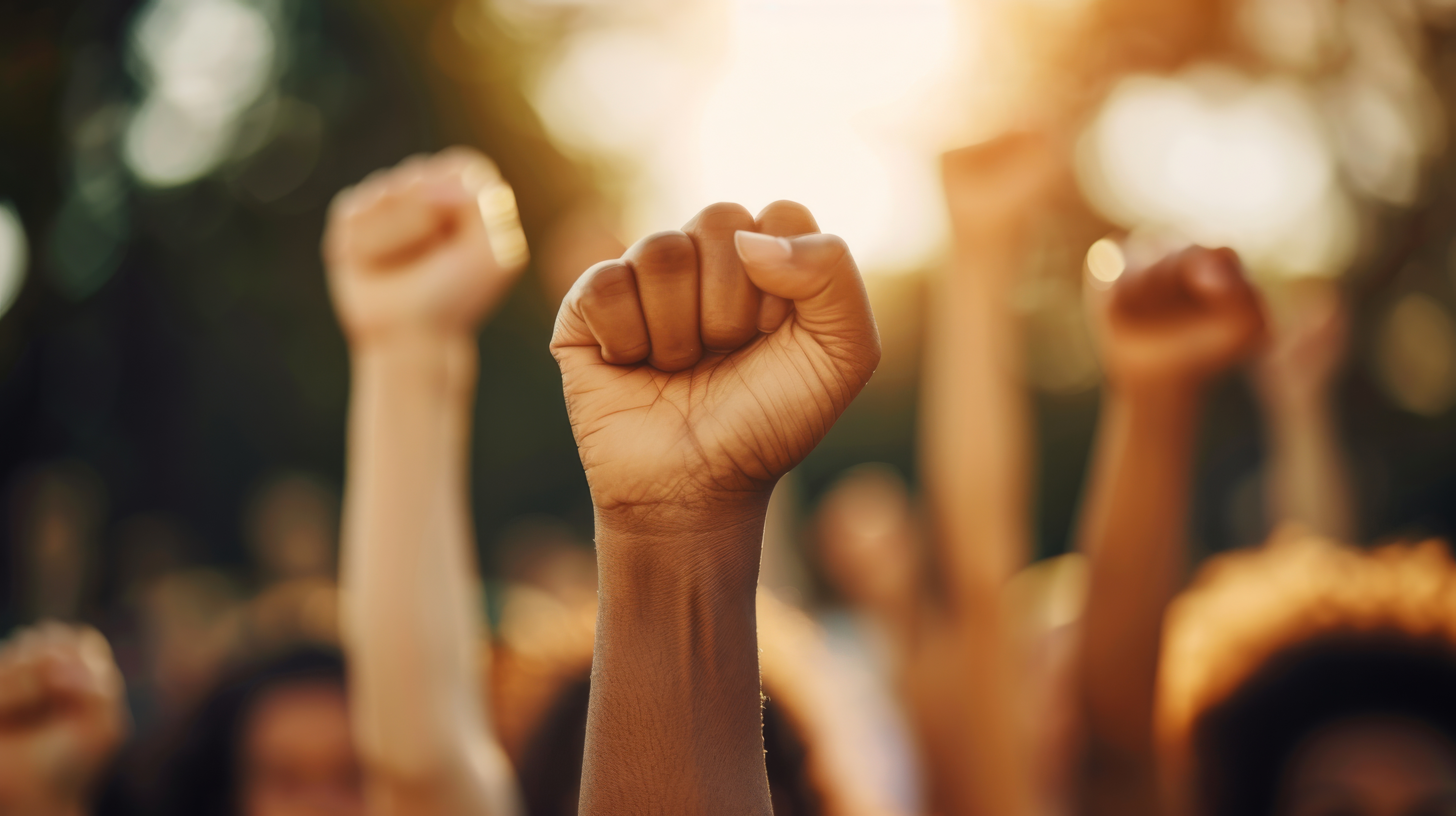
Female leadership in Zambia has evolved steadily from the pre-independence period to the present day, shaped by cultural traditions, political change, and growing advocacy for gender equality. Historically, Zambian societies recognized women as leaders within families, communities, and traditional structures, where they played influential roles as queens, advisers, and custodians of social values, even though formal political power was largely male-dominated.
At independence in 1964, women’s participation in national leadership was limited, but pioneering figures began to emerge in politics, public service, and civil society. Women such as Chibesa Kankasa, one of Zambia’s most prominent freedom fighters and politicians, became symbols of courage and resilience, advocating for women’s rights and social justice during and after the liberation struggle. These early leaders laid the foundation for greater female participation in governance and decision-making.
Over the decades, women in Zambia have gradually gained visibility in leadership across sectors. The introduction of multiparty democracy in the early 1990s created new opportunities for women to participate in politics, while women’s movements and civil society organizations pushed for legal and policy reforms. This period saw more women appointed as Members of Parliament, ministers, judges, and senior civil servants, marking important milestones in national leadership.
In recent years, female leadership in Zambia has expanded beyond politics into business, academia, activism, and the non-profit sector. Women have taken up key leadership roles as ministers, permanent secretaries, entrepreneurs, traditional leaders, and heads of influential organizations. Legal frameworks and national gender policies have also strengthened support for women’s leadership, emphasizing equality, representation, and empowerment.
Despite this progress, women in leadership continue to face challenges such as gender bias, limited access to political financing, and societal expectations. Nevertheless, the growing presence of women in decision-making roles reflects Zambia’s ongoing commitment to inclusive leadership. The history of female leadership in Zambia is therefore one of resilience, gradual progress, and determination—an evolving journey toward equal representation and a more just and inclusive society.
No responses yet