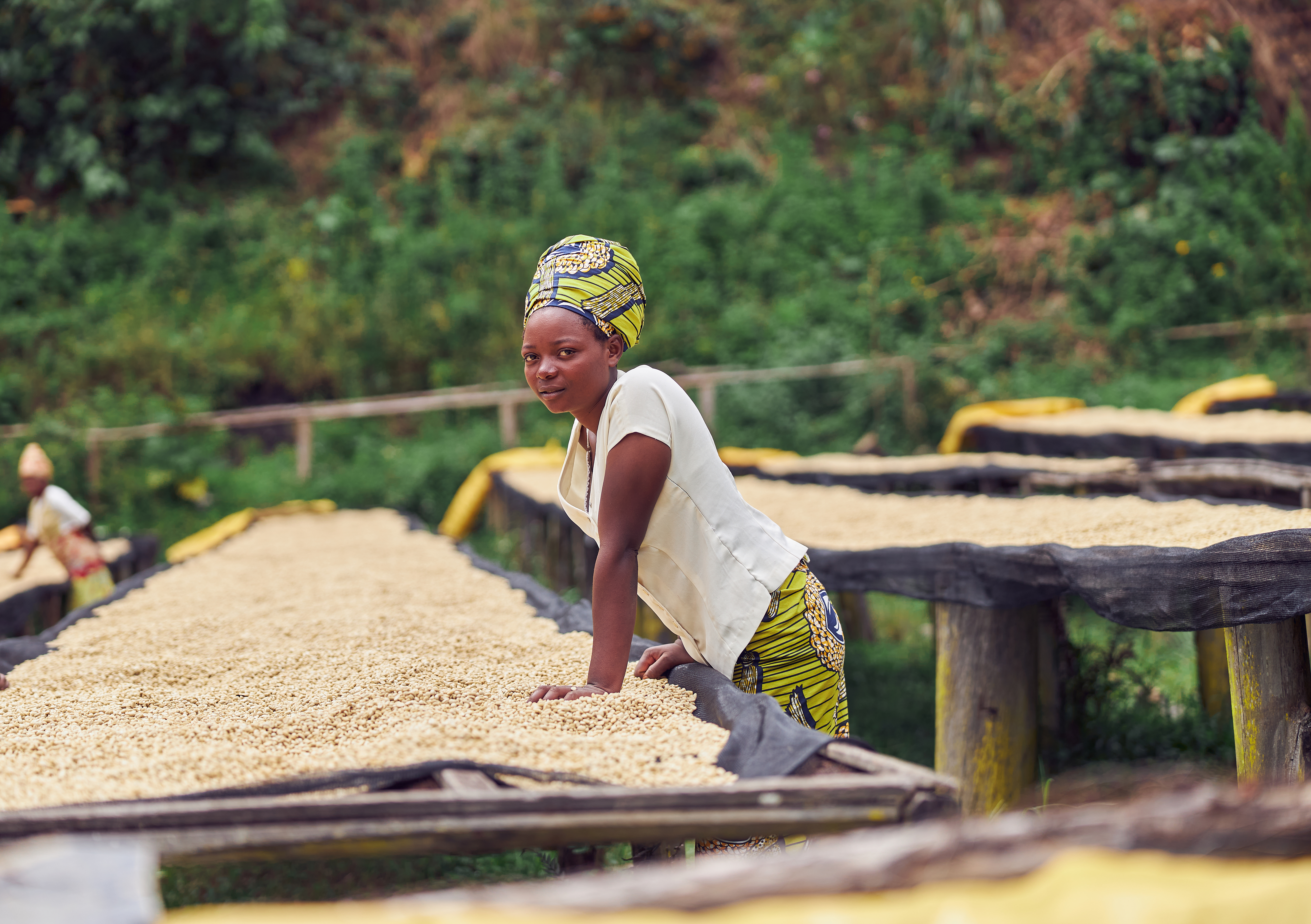
Women empowerment and employment are critical drivers of Zambia’s social and economic development. Women make up more than half of the population and play a central role in households, communities, and the national economy. However, despite their contribution, many women continue to face barriers that limit their full participation in formal employment and economic decision-making.
One of the key challenges affecting women’s employment in Zambia is limited access to education, skills training, and economic opportunities, particularly in rural areas. Cultural norms, unpaid care work, early marriages, and gender-based violence further restrict women’s ability to enter or remain in the workforce. As a result, many women are concentrated in informal, low-paying, and insecure jobs, with limited access to social protection and career advancement.
In recent years, significant efforts have been made to promote women empowerment and improve employment outcomes. Government policies, such as gender-responsive budgeting, skills development programmes, and support for women-led enterprises, have helped create more inclusive economic opportunities. Civil society organizations and development partners are also playing a vital role by providing entrepreneurship training, access to finance, mentorship, and advocacy for women’s rights in the workplace.
Women empowerment initiatives that focus on education, vocational training, and leadership development are proving essential in breaking cycles of poverty and inequality. When women are empowered to access decent employment, they gain financial independence, improve household welfare, and contribute meaningfully to national productivity and economic growth.
Strengthening women empowerment and employment in Zambia requires sustained collaboration between government, the private sector, communities, and development partners. By removing structural barriers, promoting equal opportunities, and investing in women’s potential, Zambia can build a more inclusive economy where women and men participate equally and thrive.
No responses yet